Irreversible electroporation
NanoKnife and IRE for selected cancers
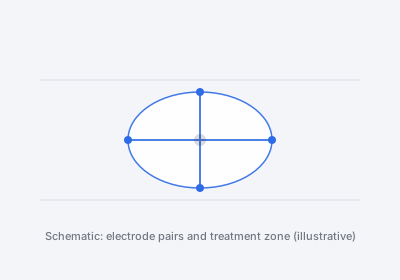
NanoKnife is a device used to deliver Irreversible Electroporation (IRE). Short electrical pulses are applied between probes to disrupt cell membranes in a planned treatment zone. This site explains the idea in plain language and points you to resources and the rooms if you want to discuss your own situation.
What is IRE?
IRE is a way of destroying targeted tissue using electrical fields rather than heat. The treating team places probes around the area to be treated and delivers controlled pulses. Surrounding structures such as large blood vessels, bile ducts or the ureter may be relatively spared compared with some heat-based ablation methods, depending on anatomy and the treatment plan. Not every tumour or patient is suitable.
Planned zone
Treatment is planned around imaging so the electrical field covers the intended tissue. Your specialist will explain how this applies to your scans.
Non-thermal mechanism
Cell membranes are affected by the pulses. It is a different mechanism from heating tissue with microwave or radiofrequency energy.
Minimally invasive access
Probes are placed through the skin or during an operation, depending on the tumour site. Recovery and length of stay depend on the procedure and your overall health.
Where IRE may be discussed
Clinical use of IRE depends on tumour type, stage, anatomy and multidisciplinary advice. The pages below are introductions only.
Prostate cancer
Focal therapy and other focal strategies may be discussed for carefully selected localised disease.
Pancreatic cancer
Some patients with locally advanced disease have IRE discussed as part of a broader plan.
Liver tumours
Lesions near vessels or ducts may be scenarios where specialists consider ablative options.
Kidney tumours
Small renal masses in awkward positions may occasionally be discussed in specialist settings.
Hear it explained
Short video about NanoKnife treatment (YouTube). Playing the video loads content from YouTube.
About your specialist
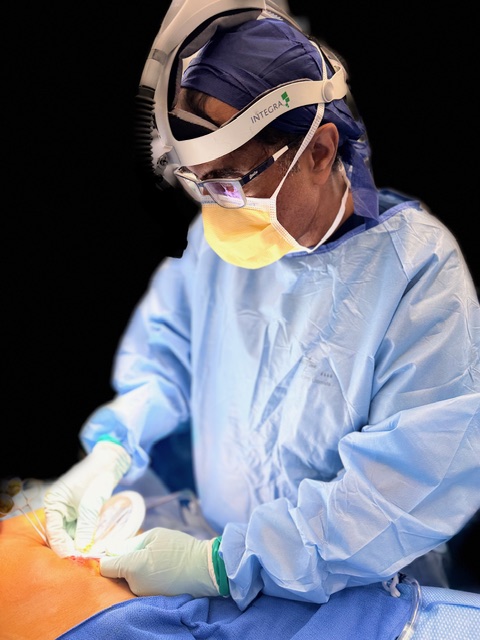
Dr Raji Kooner is a urological surgeon in Sydney. He practises through Urology NSW and holds public and private hospital appointments. A broader biography, publications list and curriculum vitae are on rajikooner.com.au.
Whether IRE is appropriate for you can only be decided after review of imaging, pathology and your preferences. Use contact or second opinion to reach the rooms.